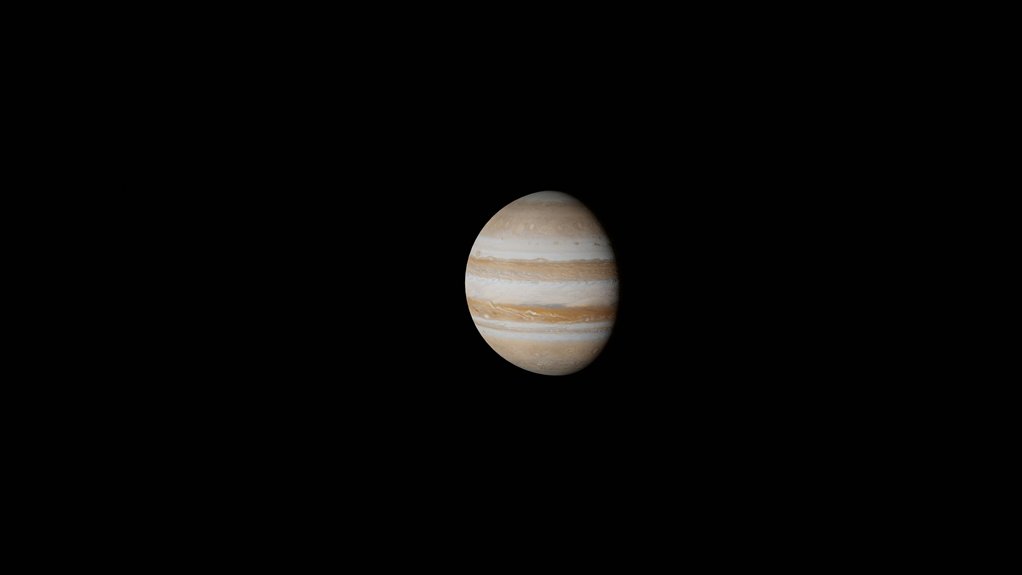
Did you know that more than 90% of the universe is invisible to the naked eye? If you’re enthusiastic to explore the wonders of our solar system, choosing the right telescope is vital. With so many options available, it can be overwhelming to find one that suits your needs. Let’s break down the essentials of planetary observation and discover which telescopes can bring the cosmos closer to you.
Understanding Telescope Types for Planetary Observation
When it comes to stargazing, choosing the right telescope is essential for getting the most out of your planetary observations. You’ll find three main types: refractors, reflectors, and compound telescopes.
Refractors use lenses, offering sharp images and are great for viewing planets like Jupiter and Saturn. Reflectors, with mirrors, provide larger apertures at a lower cost, making them ideal for deep-sky objects as well.
Compound telescopes combine both lens and mirror systems, giving you versatility and portability. Each type has its strengths, so think about your priorities—whether it’s image clarity, budget, or ease of use.
Key Features to Consider When Choosing a Telescope
Choosing the right telescope involves considering several key features that can greatly enhance your viewing experience. First, you’ll want to assess the aperture size; a larger aperture gathers more light, revealing finer details of celestial bodies. Next, consider the mount type; a sturdy, user-friendly mount guarantees stable views. Finally, think about portability; if you plan to travel, a lightweight telescope can make a difference.
Here’s a quick comparison to help you:
| Feature | Importance | Example |
|---|---|---|
| Aperture | Light-gathering power | 4″ vs. 8″ |
| Mount Type | Stability and ease of use | Alt-azimuth vs. equatorial |
| Portability | Ease of transport | Compact vs. bulky |
Focusing on these features will empower your stargazing adventures!
Top Telescopes for Planetary Viewing
If you’re enthusiastic to explore the wonders of our solar system, investing in the right telescope can make all the difference.
For planetary viewing, consider the Orion SkyQuest XT8. Its 8-inch aperture delivers stunning details of craters on the Moon and the rings of Saturn.
Alternatively, the Celestron NexStar 6SE offers a compact design with a powerful 6-inch aperture, perfect for beginners and seasoned astronomers alike.
If you want a premium option, the Takahashi TOA-130 provides exquisite optics for serious enthusiasts.
Don’t overlook the Meade LX90, which combines advanced features with user-friendly operation.
Each of these telescopes will elevate your celestial adventures, bringing planets closer than ever before.
Get ready to reveal the beauty of the night sky!
How to Set Up Your Telescope for Optimal Viewing
Before you start your celestial journey, setting up your telescope properly is crucial for ideal viewing.
First, choose a stable, flat surface to prevent any wobbling. Make certain your telescope is pointed toward the area of the sky you want to observe, and level it using the built-in bubble level if available.
Next, attach your chosen eyepiece for maximum magnification. Don’t forget to check the finder scope; it should be aligned with your main telescope for easier target acquisition.
Finally, allow your telescope to acclimate to the outside temperature for clearer images.
This setup guarantees you’re ready to plunge into the wonders of the universe and experience the planets like never before. Enjoy your night under the stars!
Tips for Observing Planets Effectively
While observing planets can be thrilling, knowing a few effective tips can enhance your experience considerably. Start by picking a night with clear skies and minimal light pollution. Use a sturdy mount to keep your telescope stable during observation. Remember to let your telescope cool down to ambient temperature for sharper images.
Here’s a quick guide to help you:
| Tip | Benefit | Result |
|---|---|---|
| Choose clear nights | Better visibility | Clearer planetary details |
| Use a sturdy mount | Stability | Reduced vibrations |
| Allow cooling time | Sharp images | Enhanced clarity |
Implementing these tips will not only improve your observations but also deepen your connection with the cosmos. Happy stargazing!
Accessories to Enhance Your Planetary Viewing Experience
To truly elevate your planetary viewing experience, investing in the right accessories can make all the difference.
These tools not only enhance your observation but also make your time under the stars more enjoyable. Here are three must-have accessories:
- Quality Eyepieces: Upgrading to high-quality eyepieces can greatly improve clarity and detail, allowing you to see more of the planets’ features.
- Filters: Planetary filters can help reduce glare and enhance contrast, making it easier to spot surface details on planets like Jupiter and Mars.
- Dew Shields: These prevent moisture buildup on your telescope’s lens, ensuring clear views during those chilly nights.
With these accessories, you’ll access the full potential of your telescope and experience the wonders of our solar system like never before.
Maintaining Your Telescope for Long-Term Use
With the right accessories in hand, you’ll want to confirm your telescope remains in prime condition for years to come. Regular maintenance is key to revealing its full potential. Start by cleaning the lenses with a microfiber cloth and specialized cleaner, avoiding scratches. Check the alignment periodically to guarantee peak viewing. Store your telescope in a dry, dust-free environment to protect it from moisture and debris.
| Maintenance Task | Frequency | Tips |
|---|---|---|
| Clean Lenses | Monthly | Use a microfiber cloth |
| Check Alignment | Every 3 months | Use a collimation tool |
| Store Telescope | Always | Keep in a protective case |
Following these steps will keep your telescope powerful and ready for your next cosmic adventure!
About the Author


